

Security Insights
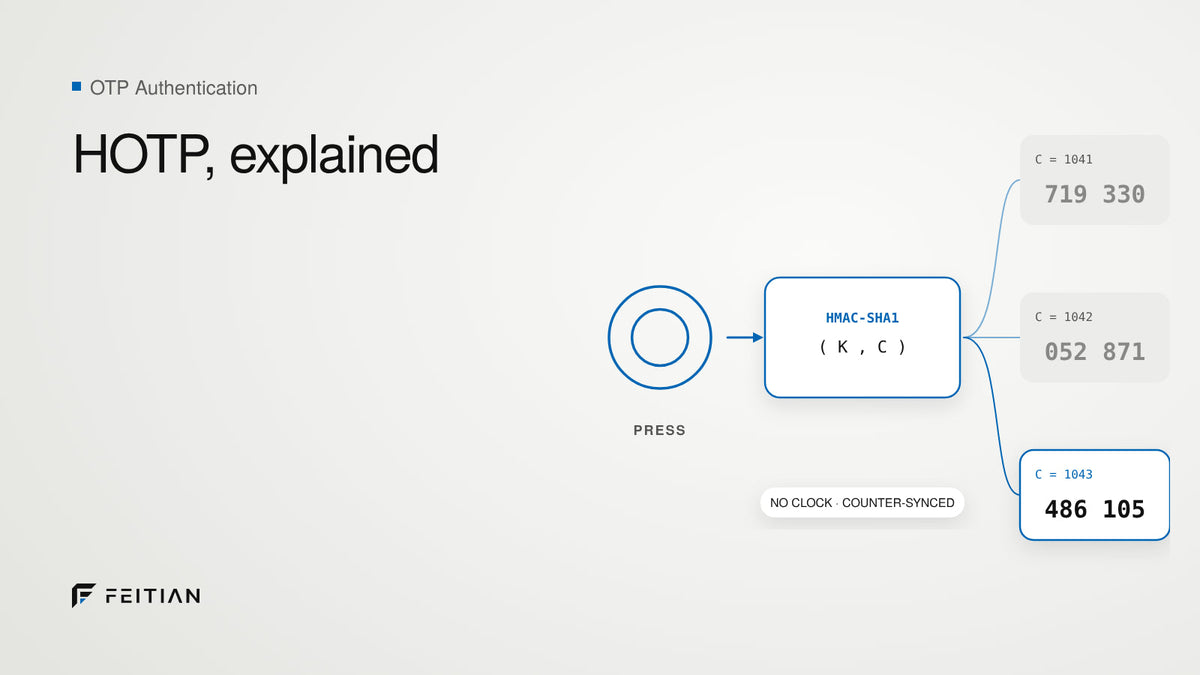
Event-Based OTP Tokens: HOTP Algorithm Explained
Which authentication token uses event-based algorithms for passwords? An event-based OTP token, also called an HOTP token. Instead of changing its code every 30 seconds, it creates a new one-time password each time you press its button. It runs on the open HOTP algorithm from the OATH initiative and needs no clock, no phone and no network. This guide explains how the algorithm works, how it compares with time-based TOTP, and where an event-based token is the right choice.
Read moreabout Event-Based OTP Tokens: HOTP Algorithm Explained

Hardware OTP vs Software Authenticator: A Security Analysis
Both show you a six-digit code. Both add a second factor to a password. So does the hardware OTP vs software authenticator choice matter? It does, because the code is only as safe as the place its secret lives. An authenticator app keeps its secret on a phone that also runs browsers, messaging apps and whatever else got installed last week. A hardware OTP token keeps it sealed in a single-purpose device. This analysis compares the two on attack surface, seed storage, phishing, operations and compliance, and shows when each one is the right call.
Read moreabout Hardware OTP vs Software Authenticator: A Security Analysis
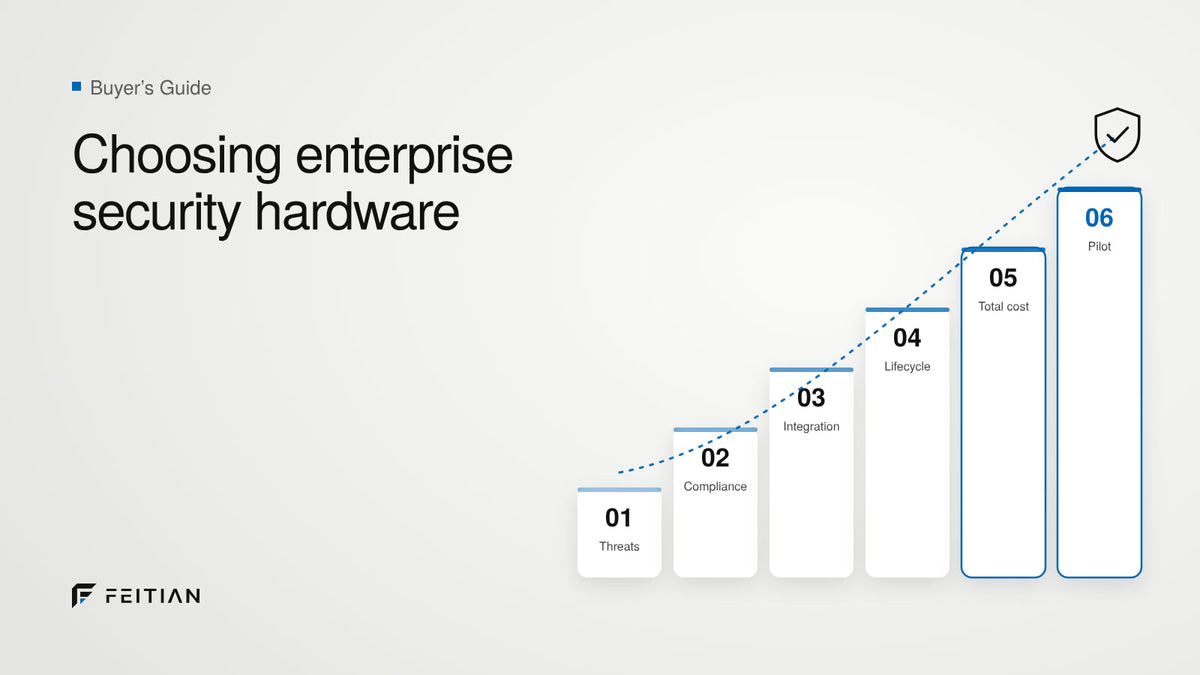
How to Choose Security Hardware for Enterprises: A Selection Framework
Security keys, OTP tokens, PKI tokens, smart cards, readers: the catalog is long and every vendor claims to be the most secure. Knowing how to choose security hardware for enterprises comes down to a repeatable framework, not a feature race. Start from the threats you face and the people you protect, map them to compliance rules and devices, cost the full lifecycle, then test the vendor as hard as the product. This guide walks you through six steps you can reuse for every hardware decision.
Read moreabout How to Choose Security Hardware for Enterprises: A Selection Framework

Best Contactless Smart Card Readers for Enterprise Use
What is the best contactless smart card reader? Selecting the right contactless smart card reader requires careful consideration of card compatibility, device connectivity, and intended applications. For example, a reader designed for Windows desktops may not be suitable for employees using tablets, while organizations relying on contact-based smart cards for certificate authentication may require a reader that supports both contact and contactless technologies. This guide compares FEITIAN's smart card readers, highlights their key features and use cases, and outlines the technical considerations and deployment steps to help organizations select the right solution.
Read moreabout Best Contactless Smart Card Readers for Enterprise Use
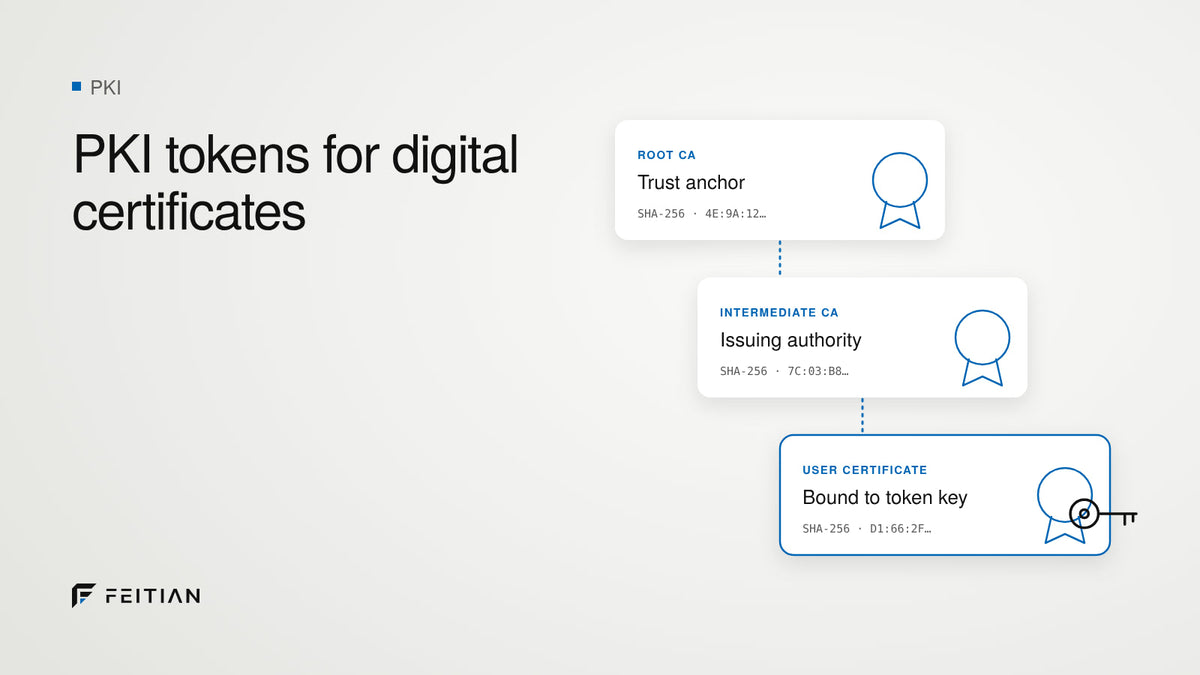
PKI Tokens for Digital Certificates: An Implementation Guide
Buying PKI tokens takes a purchase order. Making digital certificates work on them across a company takes a plan for enrollment, renewal and revocation. PKI tokens for digital certificates keep each user's private key on a secure chip, which turns a certificate from a file anyone can copy into a credential that only its owner can use. This guide covers where certificates can live, how tokens compare with hardware security modules, how to enroll certificates onto tokens, and how to manage them for their whole life.
Read moreabout PKI Tokens for Digital Certificates: An Implementation Guide
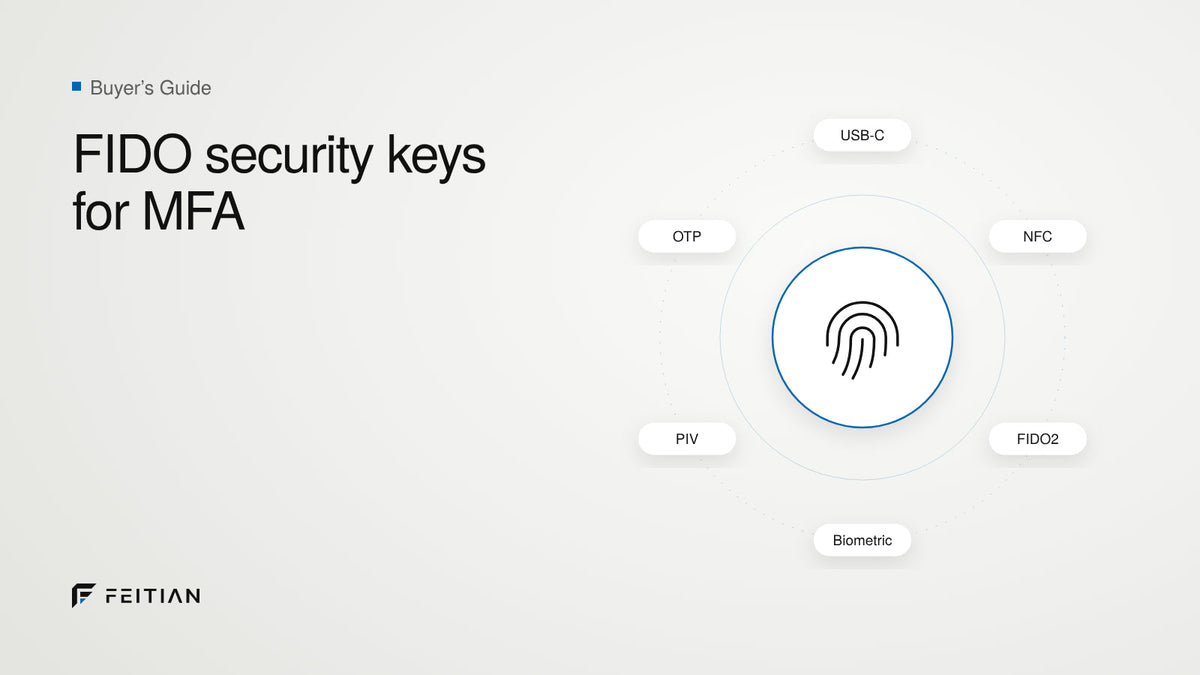
Best FIDO Security Keys for MFA: 2026 Recommendation Guide
Can you recommend FIDO security keys for MFA? Selecting the right FIDO security key for multi-factor authentication (MFA) requires evaluating device compatibility, authentication requirements, and organizational security needs. Factors such as USB connectivity, NFC support, compatibility with legacy authentication protocols, and biometric verification can influence which security key is best suited for a particular environment. FIDO2-certified security keys provide phishing-resistant authentication, helping protect organizations against credential theft and unauthorized access through fraudulent websites. This guide compares FEITIAN's FIDO security keys, highlights their key features and enterprise use cases, and outlines important considerations for selecting and deploying the right authentication solution.
Read moreabout Best FIDO Security Keys for MFA: 2026 Recommendation Guide
Security Keys for Enterprise Data Protection: An Implementation Guide
Buying security keys takes an afternoon. Getting 2,000 employees to use them takes a plan. Security keys for enterprise data protection deliver their value only when every high-risk account depends on them and the weaker sign-in options are removed. This guide gives you that plan: who to protect first, how to provision keys without flooding the help desk, how to connect them to Microsoft Entra ID, and how to build the cost case your CFO will sign.
Read moreabout Security Keys for Enterprise Data Protection: An Implementation Guide
Which Security Key Protects Against Account Takeovers?
It is possible to protect accounts from attackers, even if they already know your password and even when they can exploit certain two-factor authentication protocols, such as through phishing or SIM-swapping. When the account requires a FIDO2 security key, it is protected from phishing attacks, leaked passwords, and weak two-factor authentication protocols.
Read moreabout Which Security Key Protects Against Account Takeovers?
FEITIAN Partners with Cisco Duo and Joins the Cisco SolutionsPlus Program
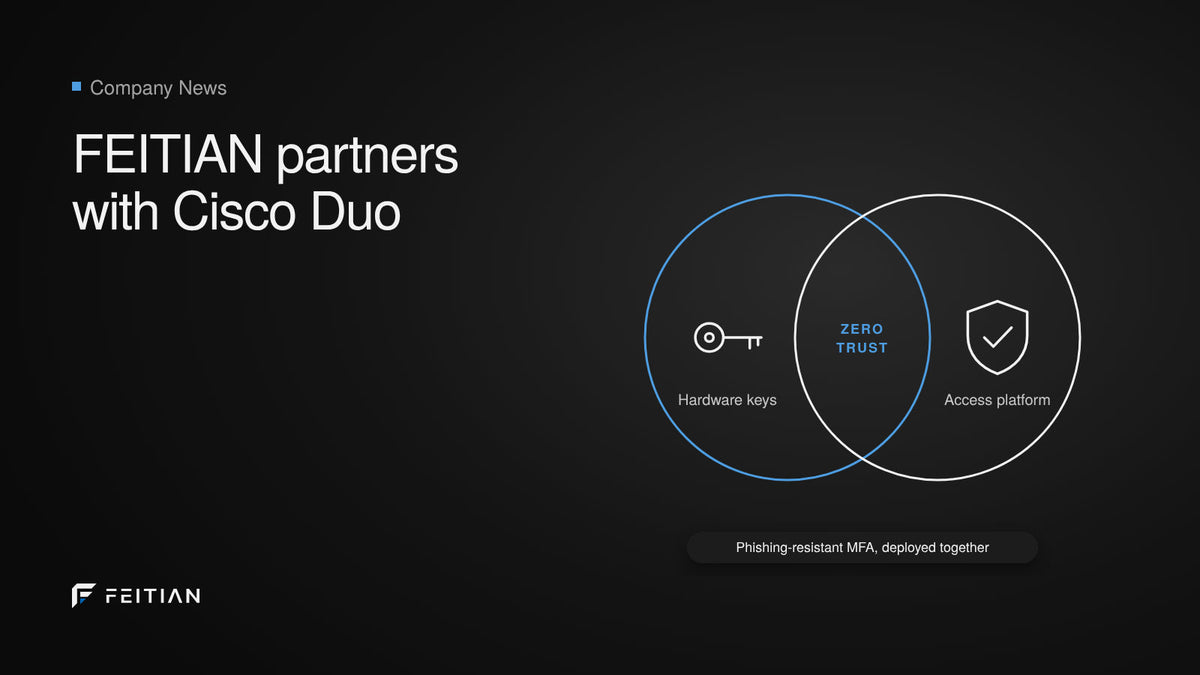
The partnership marks a strategic technical alignment between FEITIAN and Cisco Duo, making it easier for organizations to deploy phishing-resistant authentication as part of their Zero Trust strategy.
Read moreabout FEITIAN Partners with Cisco Duo and Joins the Cisco SolutionsPlus Program