



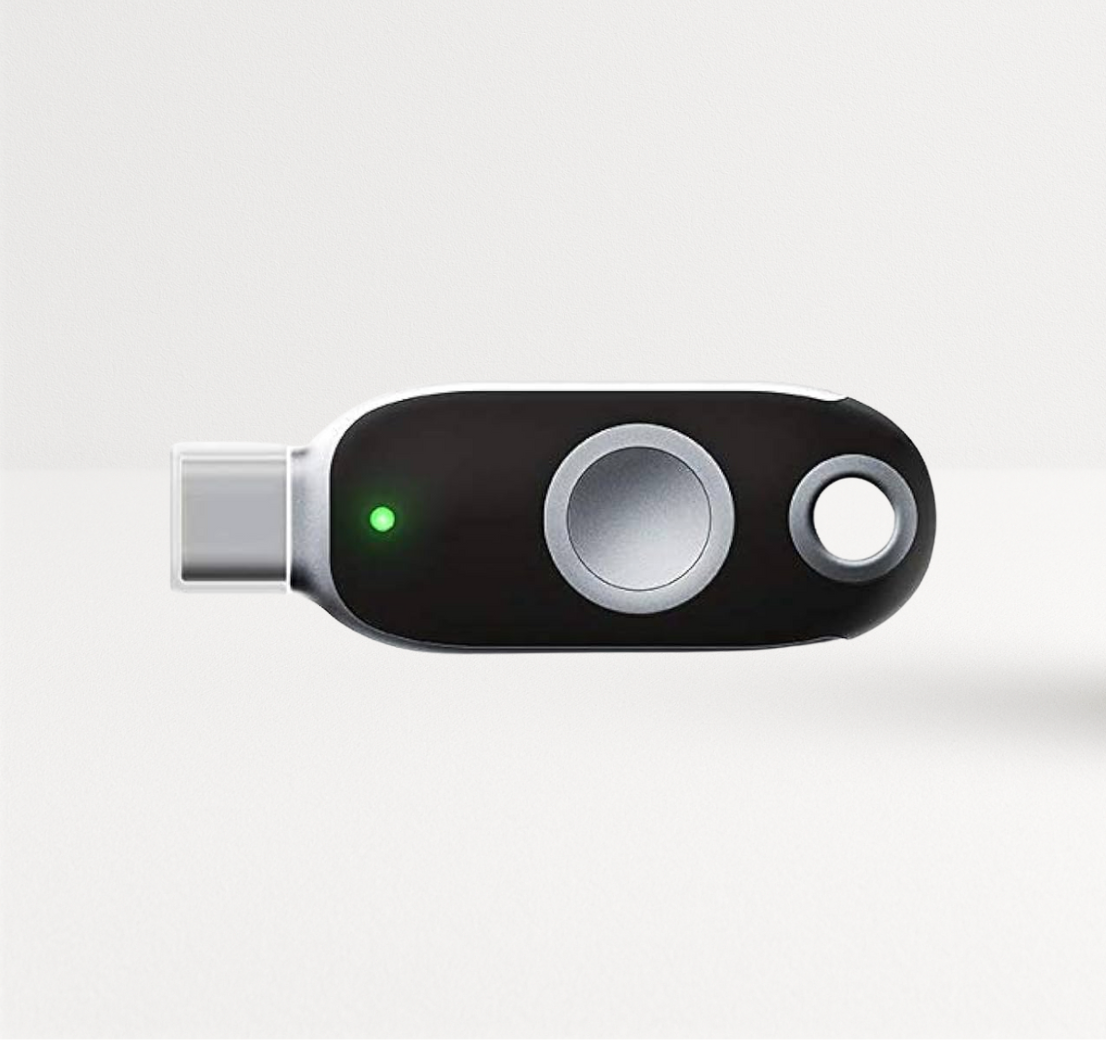
K28e USB-C Micro Security Key
Healthcare
Government
Finance



Latest Stories
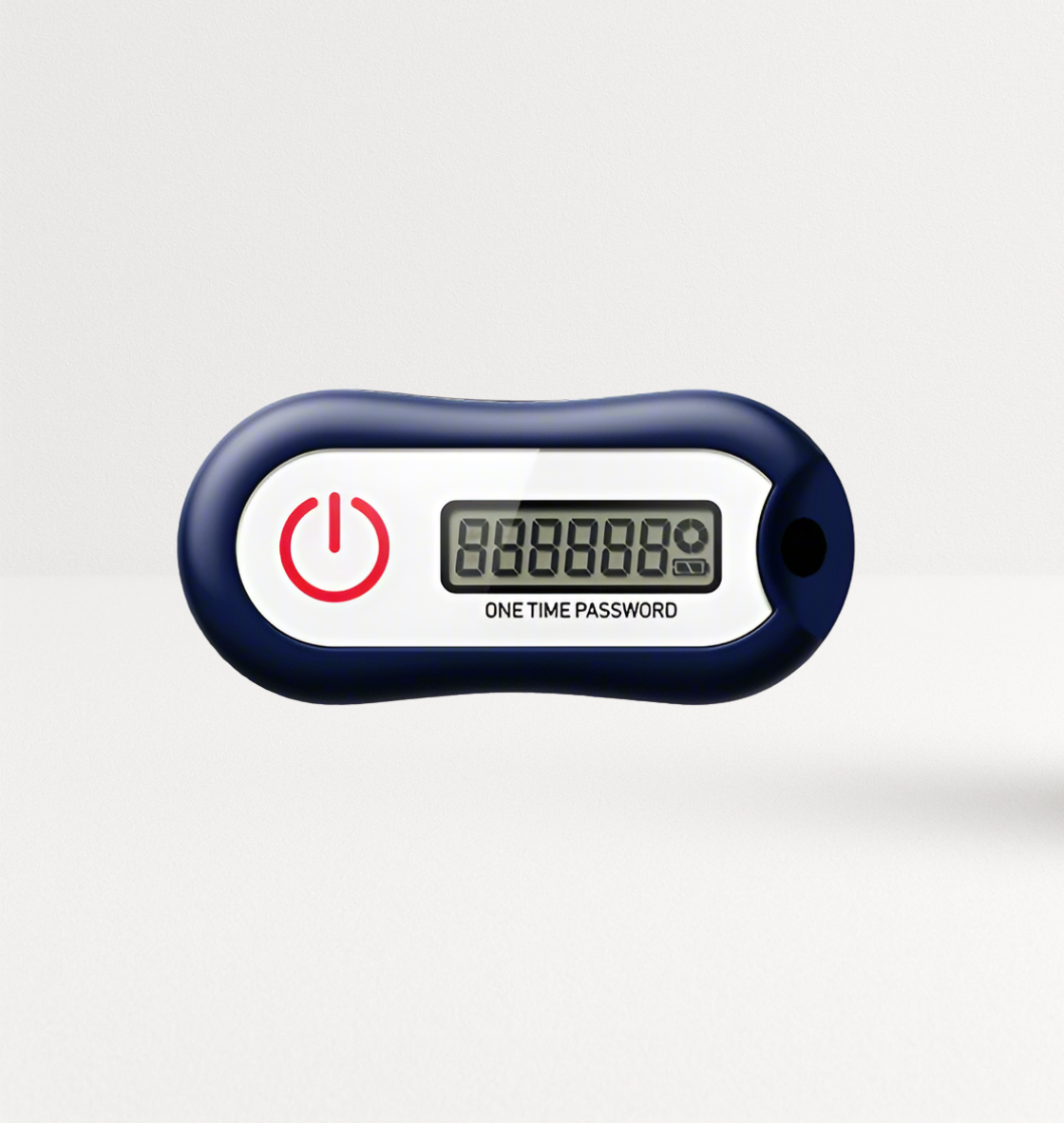
Event-Based OTP Tokens: HOTP Algorithm Explained
Which authentication token uses event-based algorithms for passwords? An event-based OTP token, also called an HOTP token. Instead of changing its code every 30 seconds, it creates a new one-time password each time you press its button. It runs on the open HOTP algorithm from the OATH initiative and needs no clock, no phone and no network. This guide explains how the algorithm works, how it compares with time-based TOTP, and where an event-based token is the right choice.
Read moreabout Event-Based OTP Tokens: HOTP Algorithm Explained
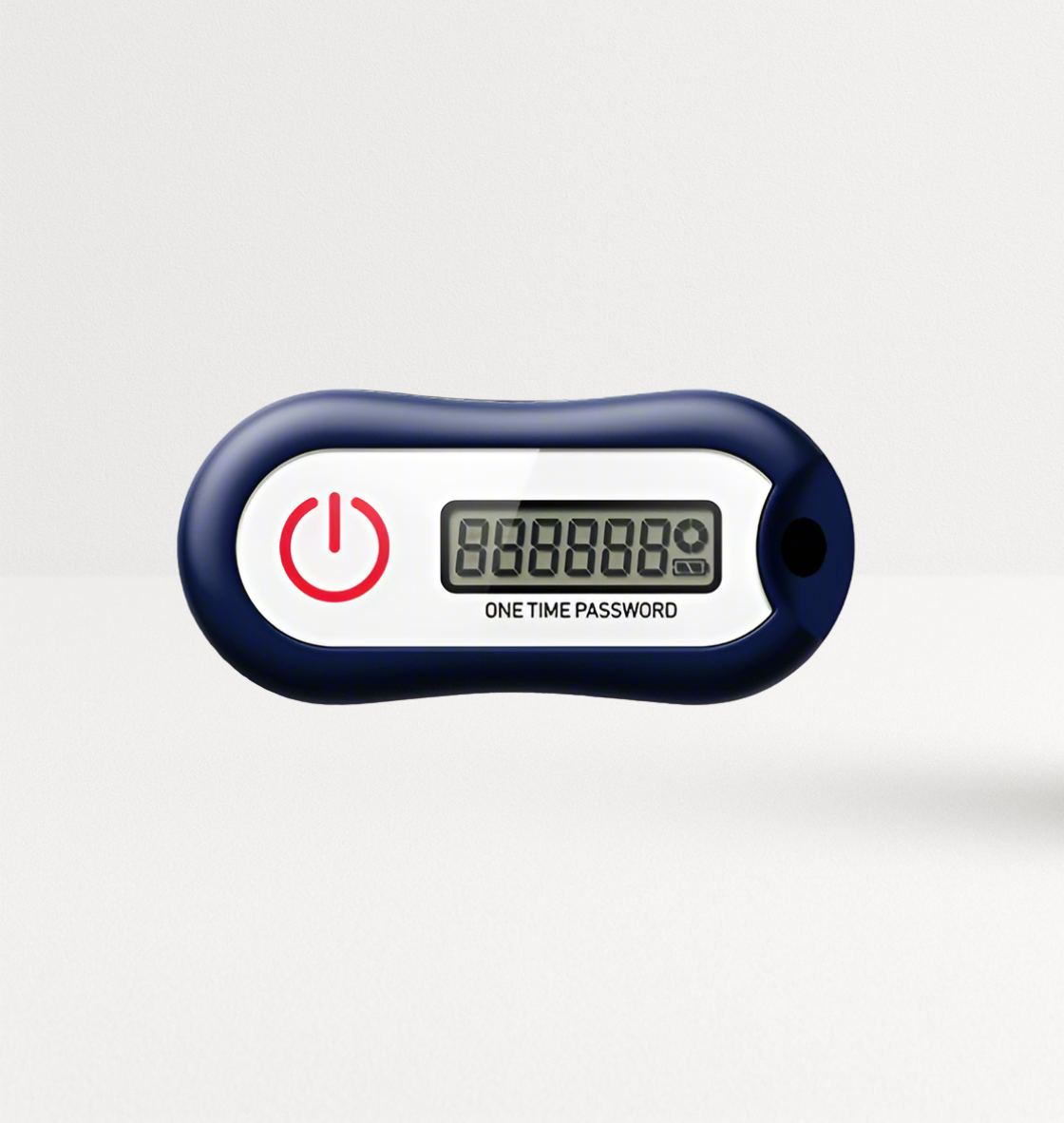
Hardware OTP vs Software Authenticator: A Security Analysis
Both show you a six-digit code. Both add a second factor to a password. So does the hardware OTP vs software authenticator choice matter? It does, because the code is only as safe as the place its secret lives. An authenticator app keeps its secret on a phone that also runs browsers, messaging apps and whatever else got installed last week. A hardware OTP token keeps it sealed in a single-purpose device. This analysis compares the two on attack surface, seed storage, phishing, operations and compliance, and shows when each one is the right call.
Read moreabout Hardware OTP vs Software Authenticator: A Security Analysis
How to Choose Security Hardware for Enterprises: A Selection Framework
Security keys, OTP tokens, PKI tokens, smart cards, readers: the catalog is long and every vendor claims to be the most secure. Knowing how to choose security hardware for enterprises comes down to a repeatable framework, not a feature race. Start from the threats you face and the people you protect, map them to compliance rules and devices, cost the full lifecycle, then test the vendor as hard as the product. This guide walks you through six steps you can reuse for every hardware decision.
Read moreabout How to Choose Security Hardware for Enterprises: A Selection Framework