

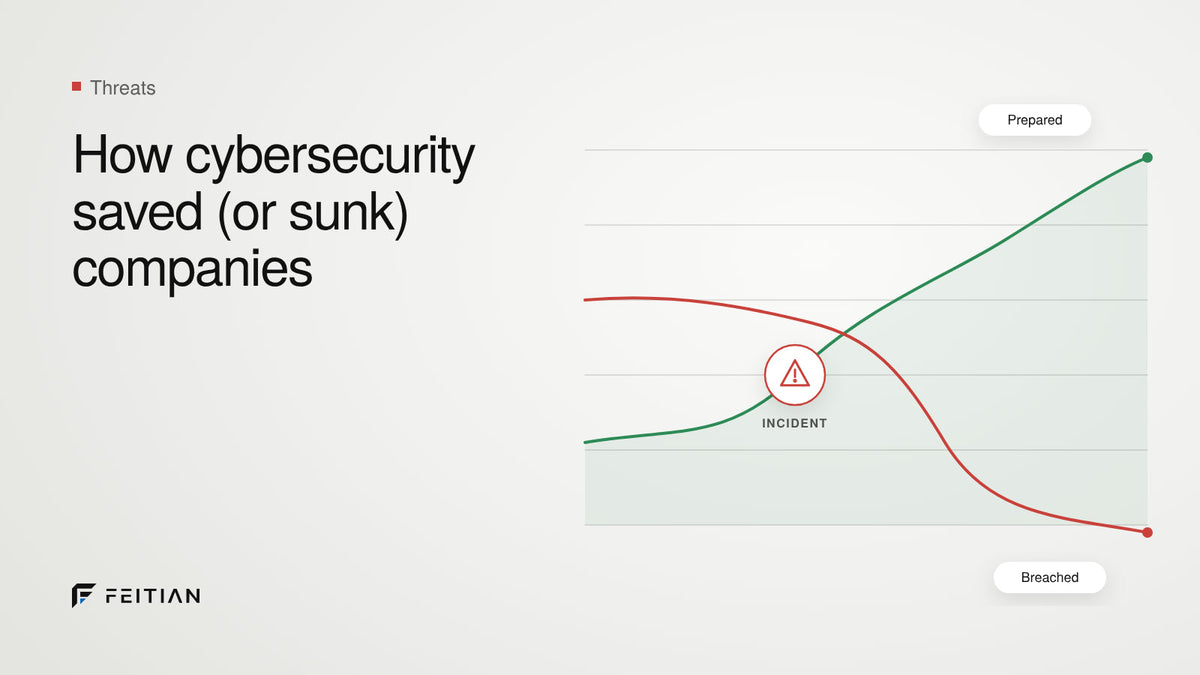
Simply put, the importance of effective cybersecurity cannot be overstated. The stories of companies grappling with cyber threats serve as cautionary tales, offering valuable lessons for businesses of all sizes. This blog post explores real-world examples of successful and unsuccessful cybersecurity implementations, shedding light on the impact of these incidents on companies and their stakeholders.
HEARTLAND PAYMENT SYSTEMS: A HARD LESSON IN RESILIENCE
January 2008
- The Haul: 130 million credit/debit card accounts compromised
- The Attack: SQL injection exploited through a web form, leading to extensive data breaches.
- The Response: Heartland adopted aggressive data security measures, including encryption and enhanced PCI compliance.
- The Aftermath: Despite improvements, Heartland faced another breach in 2015, which included physical theft, and emphasized the need for immediate data encryption after acquisitions.
Heartland Payment Systems’ story underscores the persistence of cyber threats and the importance of continual vigilance in the face of evolving attack vectors.
TARGET: BLACK FRIDAY CYBERSECURITY NIGHTMARE
December 2013
- The Haul: 110 million credit/debit card accounts stolen
- The Attack: Phishing emails to vendors, compromising access to Target’s corporate networks and POS systems.
- The Response: Target implemented extensive changes, including enhanced monitoring, whitelisting for POS systems, and tightened firewall rules.
- The Aftermath: The damage was done, leading to a proposed $10 million settlement for a class-action lawsuit.
Target’s experience highlights the need for proactive measures, emphasizing the reactive nature of many cybersecurity responses.
SONY ONLINE ENTERTAINMENT SERVICES: FROM GAMING TO BREACHING
April 2011
- The Haul: 102 million user records compromised
- The Attack: LulzSec used SQL injection, leading to data breaches in Sony’s gaming and music services.
- The Response: Sony took its PlayStation Network offline, offered identity theft protection, and implemented enhanced security measures.
- The Aftermath: Sony faced another breach in 2014, revealing the persistent and adaptive nature of cyber threats.
Sony’s case showcases the ongoing challenges in maintaining robust cybersecurity, especially for companies handling sensitive user information.
LESSONS LEARNED: BEYOND THE CYBERSECURITY HEADLINES
While these high-profile cases involve industry giants, the lessons are pertinent to businesses of all sizes. According to a Verizon report, small businesses are the victims of 81 percent of data breaches, underscoring the universal vulnerability.
Key takeaways:
- Security Policies Matter: Establish and enforce comprehensive security policies across all levels of the organization to prevent attacks.
- Monitor Actively: Regularly monitor accounts and activities for unusual behavior, using both manual checks and sophisticated software solutions.
- Information Sharing is Key: Actively share information about intrusions and suspicious activities to collectively combat cyber threats. Initiatives like Fast Identity Online (FIDO) set a precedent for collaboration.
- Employee Training is Crucial: Conduct regular training to enhance employee awareness of cybersecurity threats, especially in the context of social engineering attacks.
- Third-Party Risks: Be cautious with third-party vendors and establish stringent cybersecurity requirements in service-level agreements. Regular audits can help identify vulnerabilities in third-party integrations.
The cybersecurity landscape is dynamic, and threats will only grow more sophisticated. The success or failure of a company’s cybersecurity measures can determine its survival. Small businesses, with their constrained budgets, are especially vulnerable, making it imperative for all businesses to fortify their digital assets against the relentless tide of cyber threats.
WHAT’S NEXT?
Staying ahead requires not just insights from past incidents but also robust solutions to fortify your defenses. As we reflect on the real stories of companies grappling with cybersecurity challenges, it becomes evident that proactive measures are paramount.
FEITIAN Technologies provides innovative products, ranging from multifactor authentication to secure hardware tokens, empower organizations to safeguard their digital assets effectively. By integrating FEITIAN’s state-of-the-art security solutions into your cybersecurity strategy, you can significantly reduce the risk of falling victim to devastating attacks.
Interested in speaking with a specialist? Click here.
Share:
Unveiling the Realm of Identity-based Cyber Attacks
FEITIAN’s High-assurance Biometric Solutions